

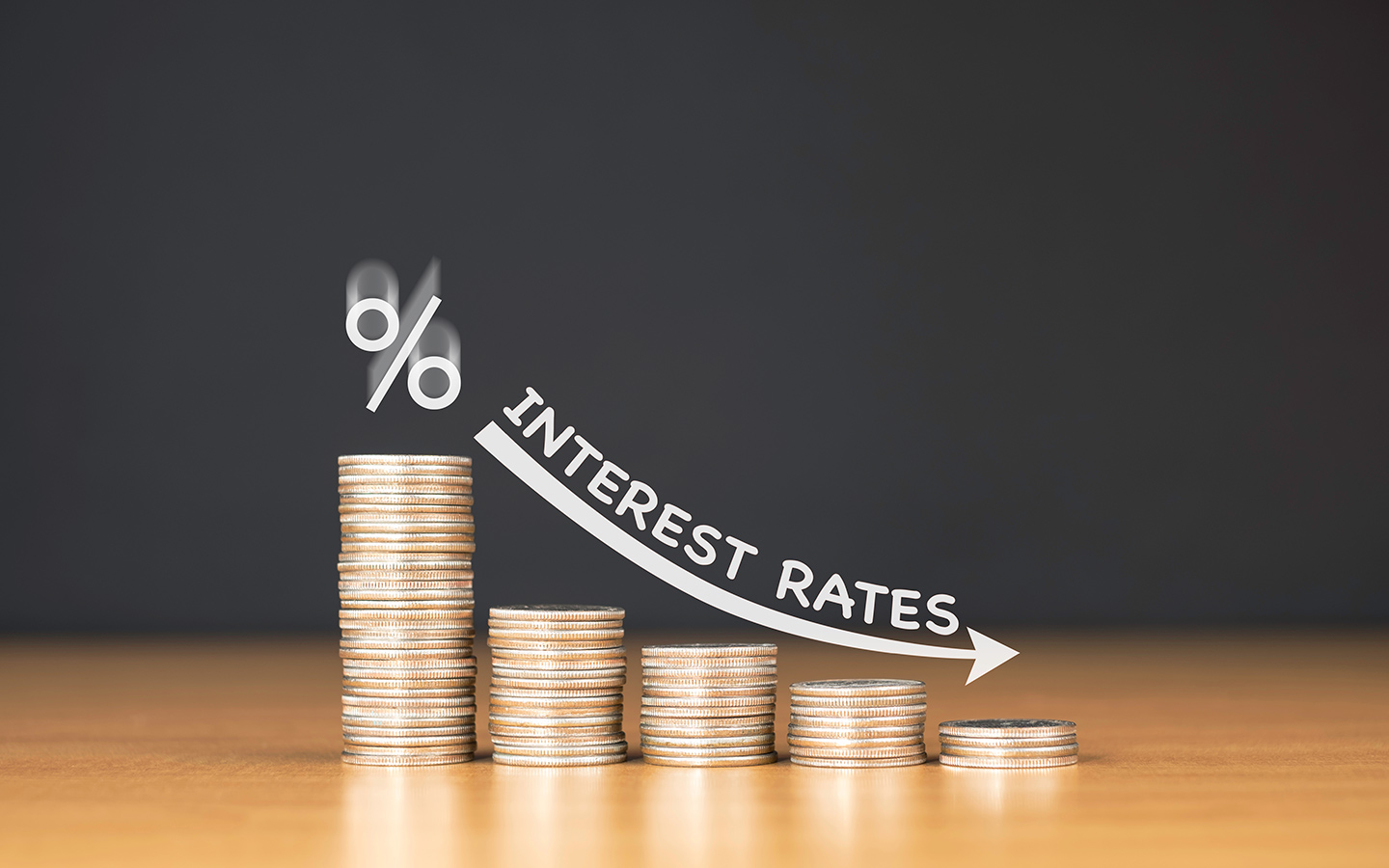
When people search for mortgage interest rates UAE or mortgage rates Dubai, they usually want two things:
– what drives the rate, and
– how to secure a better offer. In the UAE, most pricing becomes clear once you understand EIBOR, the difference between fixed vs variable, and how banks quote flat rate vs reducing rate.
EIBOR (Emirates Interbank Offered Rate) is a UAE benchmark rate published by the Central Bank, and it’s used as a reference for loans such as mortgages.
For many variable-rate mortgages, the bank’s pricing is commonly structured as:
Variable rate = EIBOR + bank margin
You’ll see this stated directly in bank materials (for example, Standard Chartered describes variable pricing as the sum of EIBOR plus the margin).
Banks may also specify floors/ceilings in their Key Facts Statements for home finance products.
Practical takeaway: if EIBOR moves up or down, a variable-rate mortgage payment can change after the reset date, depending on the product terms.
Fixed rate mortgage UAE usually means your rate is fixed for a set period (often a promo window), after which it can switch to a variable formula (commonly EIBOR-linked). The details depend on the lender’s product and Key Facts Statement.
Variable rate mortgage UAE means your rate can change over time, typically based on EIBOR + margin and the reset frequency stated in your offer/KFS.
How to choose (simple rule):
Some products reference 1M, 3M, 6M EIBOR, etc. The shorter the reset period, the faster your payment can react to market changes; the longer the reset period, the slower it adjusts. EIBOR is published by tenor on the Central Bank site.
In UAE marketing, you’ll often see confusion between:
A useful warning from Gulf News: when converted into an effective/reducing equivalent, flat rates can be materially higher (their example framing mentions ~1.7–1.9× in some cases).
Practical takeaway:
When comparing offers, make sure you are comparing like-for-like (reducing vs reducing). If one bank quotes a flat rate, ask for the reducing equivalent or compare using the Key Facts Statement and total cost over the chosen horizon.
Banks price risk. These factors typically help you secure better home loan interest rates UAE:
Simple checklist before applying: